News
A deep understanding of people lets simple robots have a big impact
Our research sits where human psychology meets robot design. People automatically read any autonomous movement as a social cue, even when it comes from a robot that looks completely mechanical. Because we start from how people think and feel, we can design very simple, non‑humanoid robots whose small gestures have a large effect on the people around them.
We study both sides of this effect. Robots can support wellbeing, trust and the relationships between people. They can also lead to exclusion, lower self esteem, overtrust and bias. These negative effects are often overlooked, because robots are usually designed with engineering and efficiency in mind and not with their social consequences. Every robot is social, so its social impact should be designed with care.
How robots change us
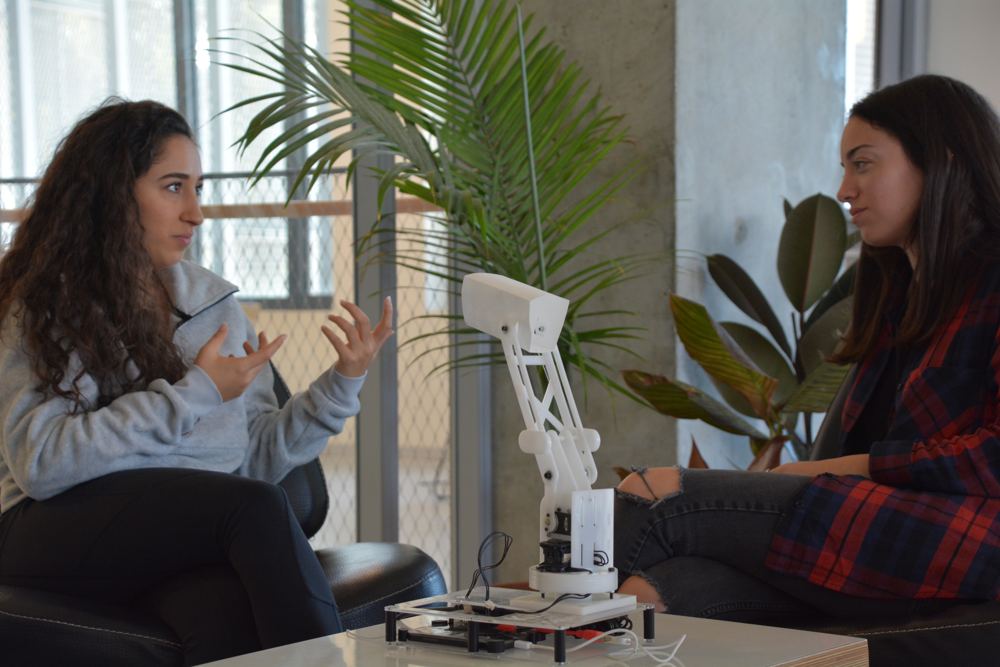
How people respond to robots, often without noticing, and how this shapes them.
See the studies → Research areaWhen robots do good
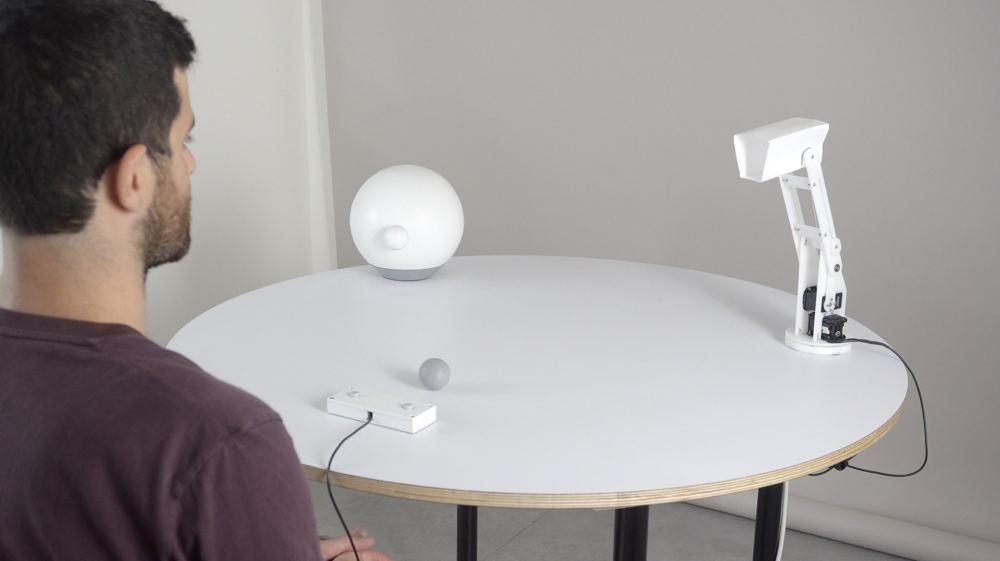
How simple robots can support wellbeing, trust and the relationships between people.
See the studies → Research areaWhen robots do harm
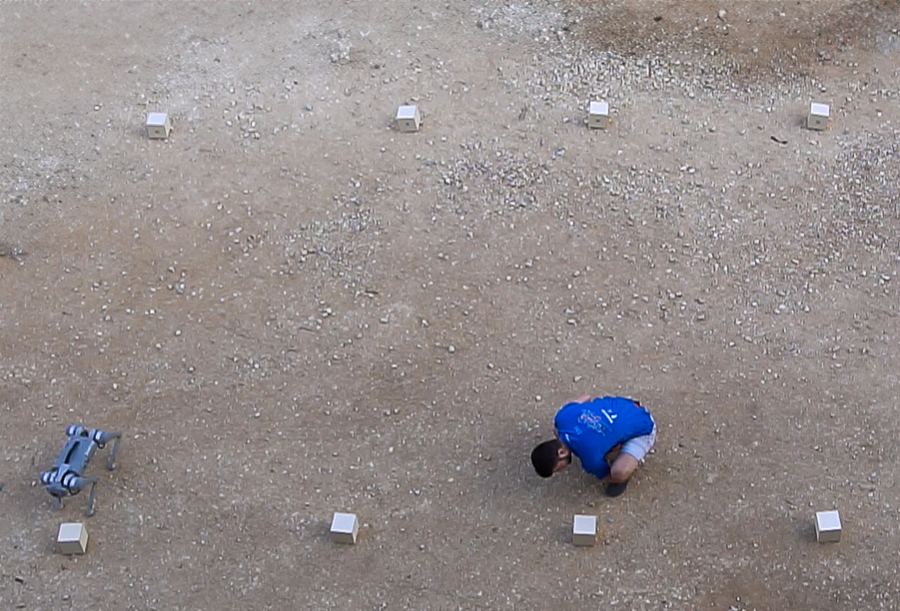
Negative effects that are easy to overlook, like exclusion, overtrust and lower self esteem.
See the studies →What we asked and what we found
Our newest studies come first, followed by studies grouped into three areas, how robots change us, when robots do good and when robots do harm. Open a card to read the research question and the main findings.
New from the group
How robots change us
People respond to robots in ways they do not notice. These studies show how this happens and how it changes us.
When robots do good
Simple robots can support wellbeing and the relationships between people.
When robots do harm
Some effects are easy to miss when robots are designed only for efficiency. These are the ones we need to be careful about.
The robots
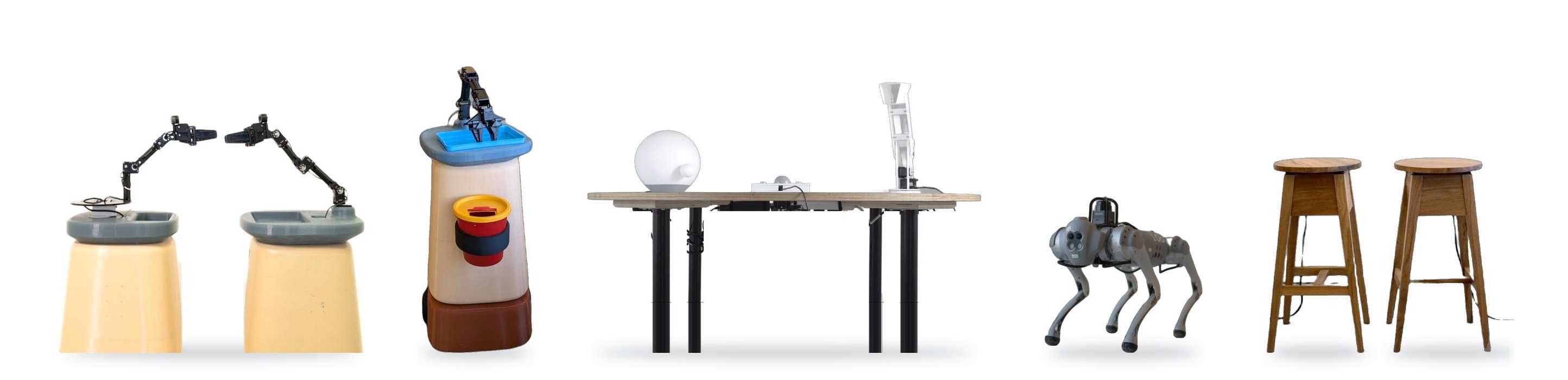
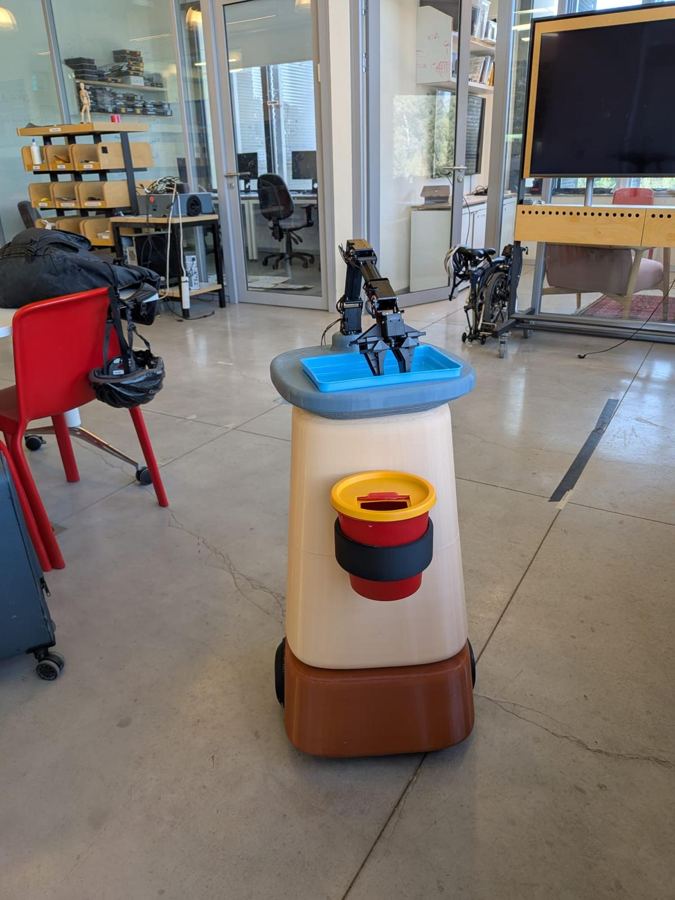
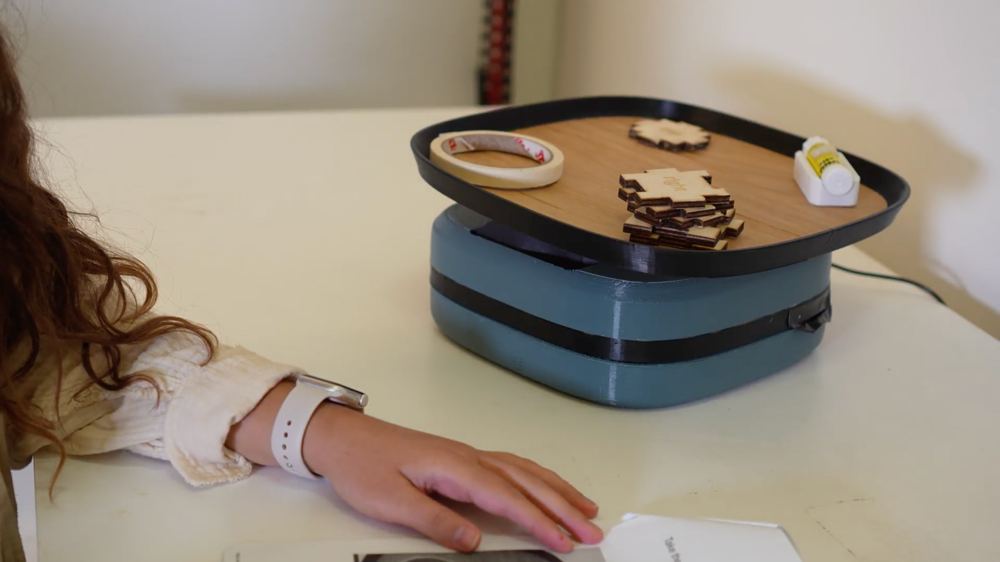
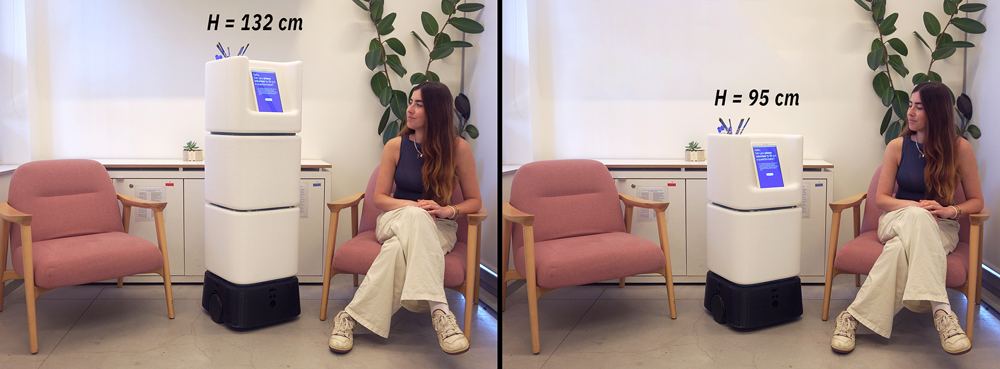
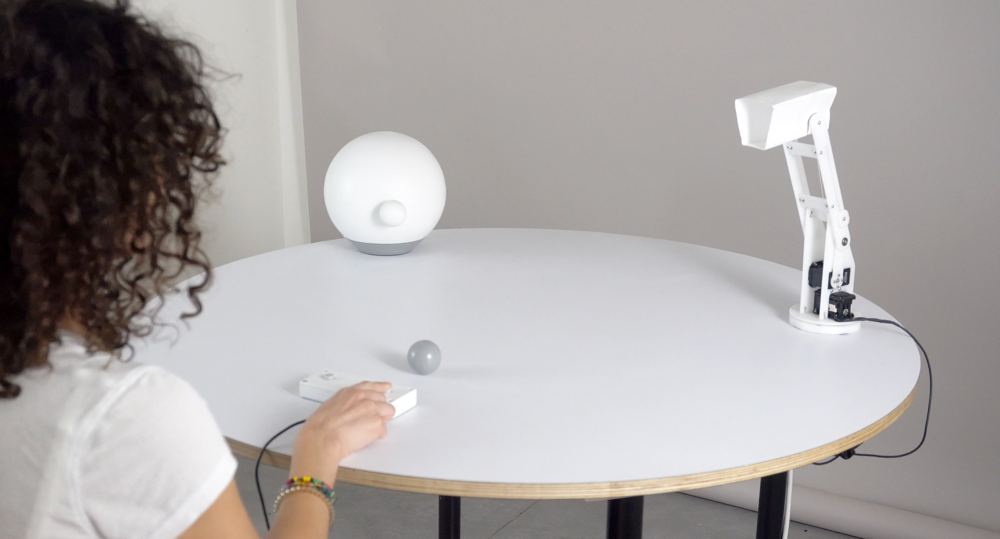
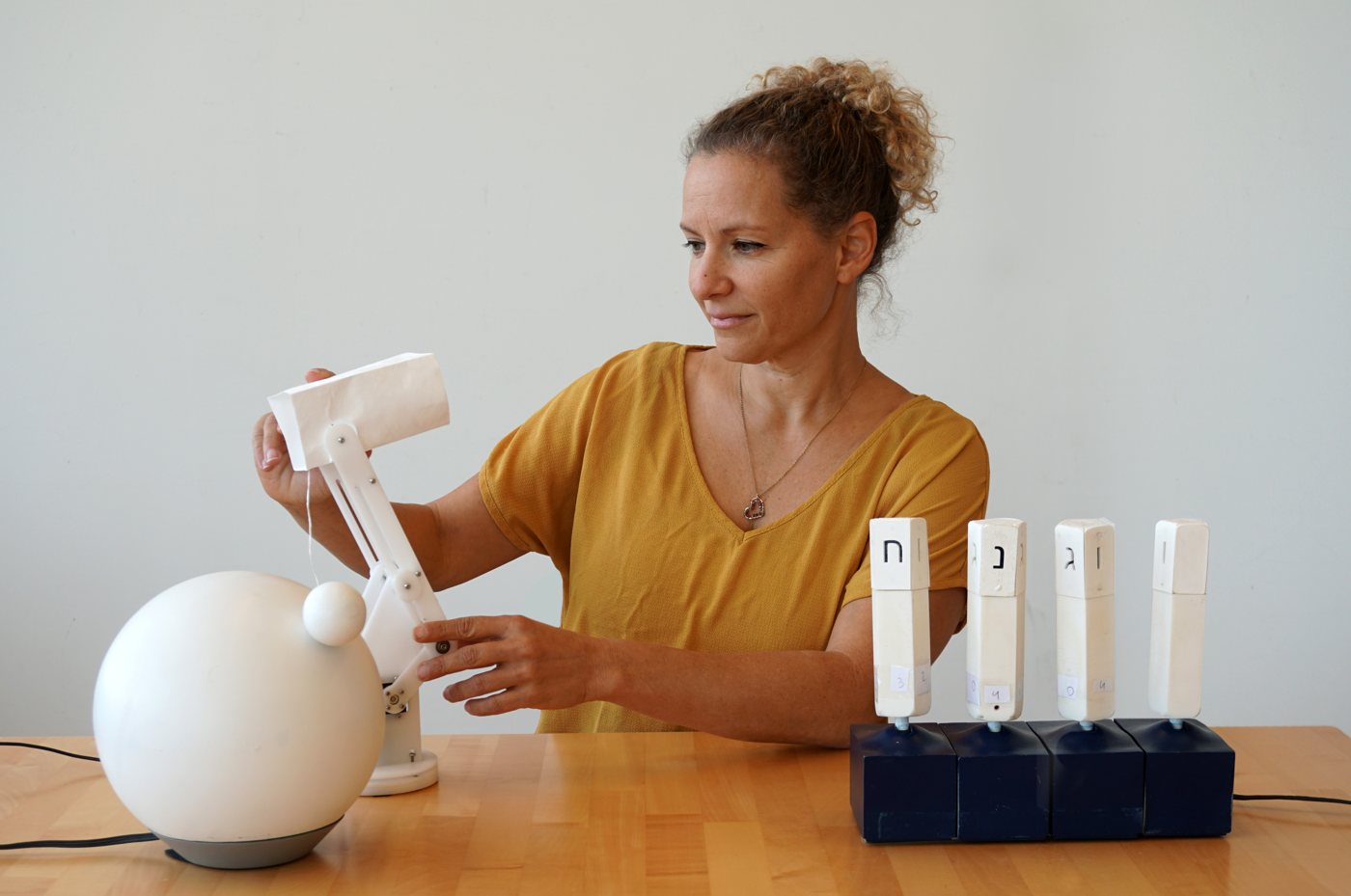
Most of our robots are simple and non‑humanoid. They communicate through movement alone.
People
Prof. Hadas Erel
Hadas leads the Social Robots Group at miLAB, Reichman University. She brings psychology into the meeting between people and robots to understand how robots affect us, for better and for worse. Her basic research shows how robots in our lives change us, and how to design interactions that are good for people while avoiding what can harm them.
Group members
CS team
Alumni
Contact
For collaborations, student positions or questions about our studies.
Where we are
miLAB, Media Innovation Lab
Reichman University, Herzliya, Israel